|
writing samples tabletop games digital games books education |
|
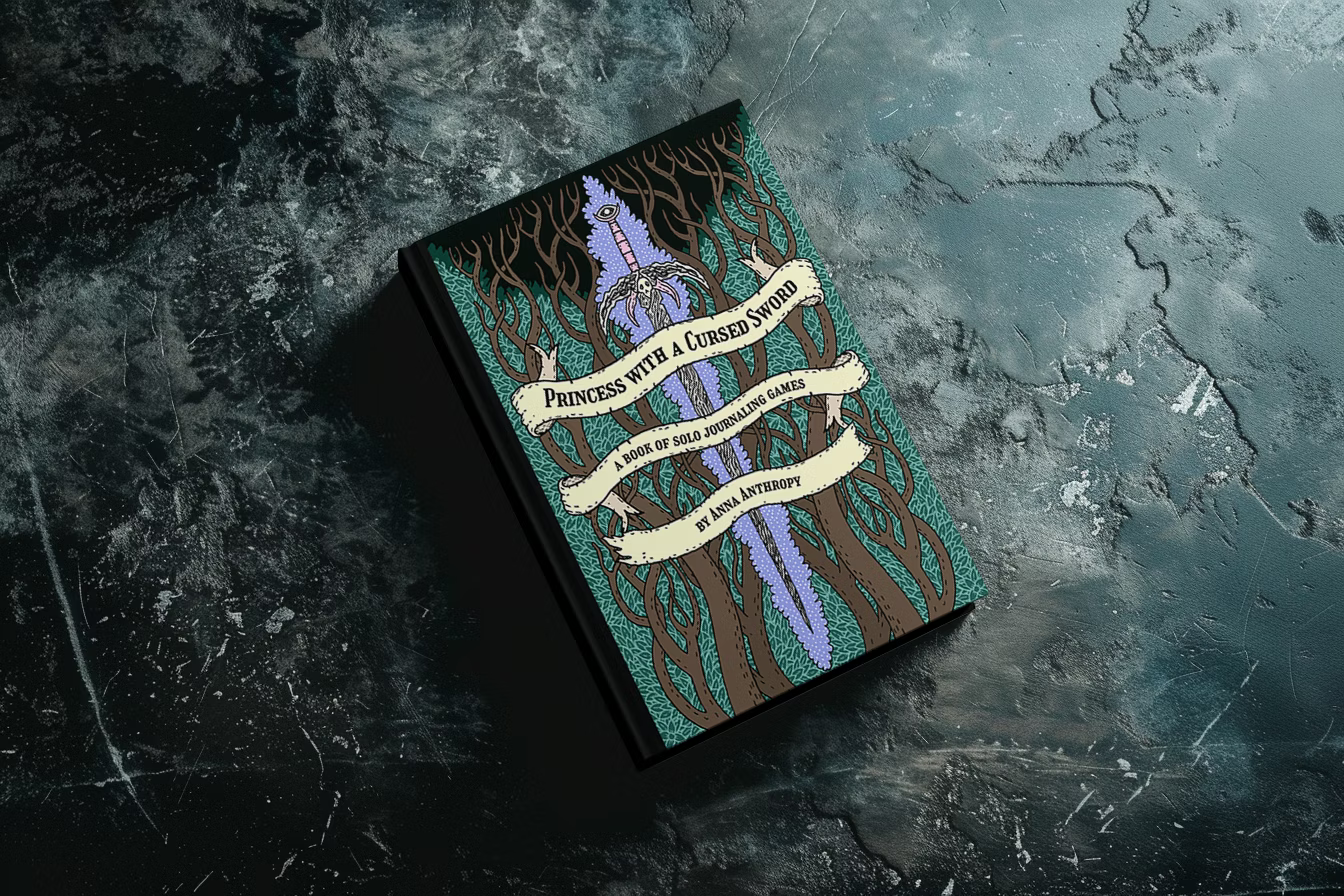
Image: Princess with a Cursed Sword hardcover book, with an image of a sword surrounded by the branches of a tree. Cover art by Evlyn Moreau. |
A solo tabletop RPG, Princess with a Cursed Sword is a “journaling game.” Players draw tarot cards and use them as prompts in writing a fairy tale about a princess burdened with a hungry sword she cannot put down. This game became the basis for the Princess Sword system, which would power four of my own sequels and numerous games by other creators. First released as a pay-what-you-want game, a hardcover version was successfully kickstarted in October 2025 as part of Central Michigan University Press’ Art & System series, edited by Tim Hutchings. |
|
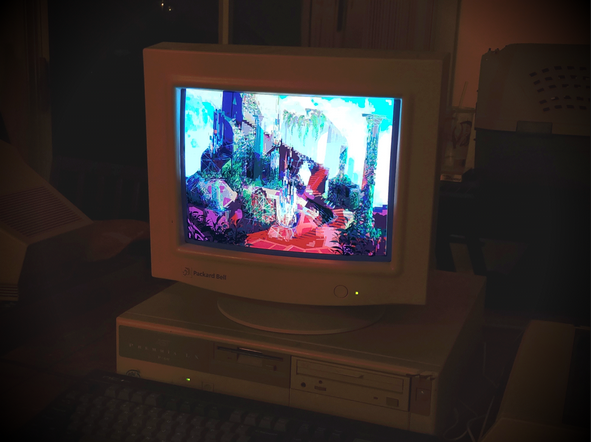
Image: Photo of a glitchy polygonal landscape on an old Packard Bell PC. Art by Jacob Potterfield and photo by Alice Averlong. |
Forgotten Palaces is a trilogy of role-playing games that explore the liminality of our digital past. Lost Kingdom is a game about dead MMO archaeology designed to be played with a classroom full of people; This Maze Will Be Big Enough to Call Home Someday comes from my childhood making overly-ambitious games with limited tools; Run on Ventacorp fuses the “journaling game” with the actual OS of the player’s computer. Forgotten Palaces was one of the twenty unranked winners of The Awards 2024. |
|
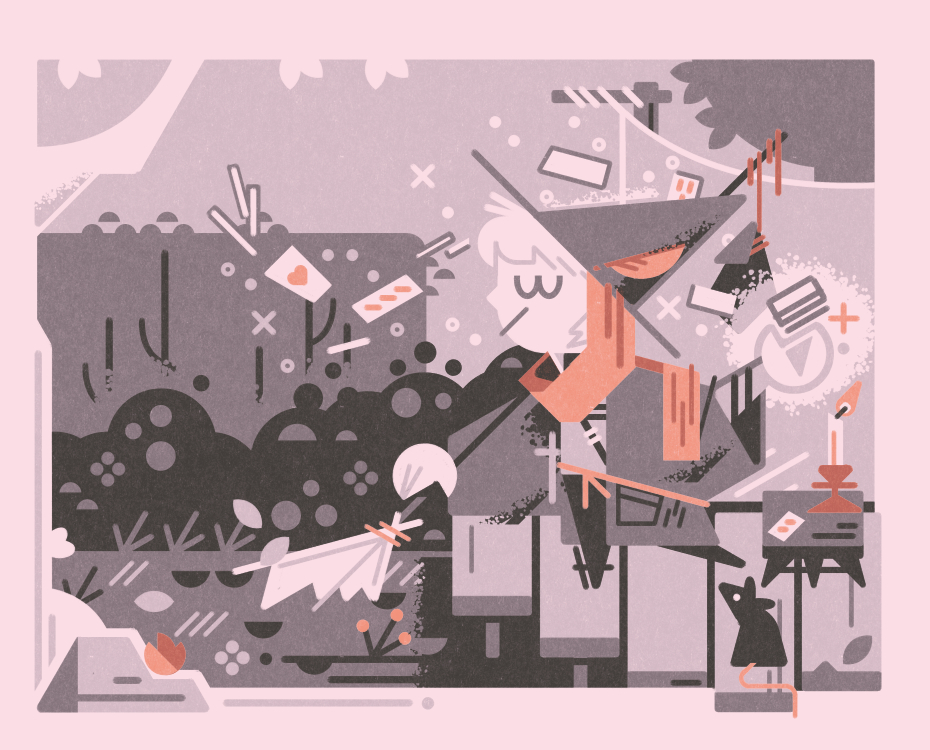
Image: Illustration of a figure in a witch's hat brushing their stoop while the wind scatters a deck of cards in their hand. Art by Shafer Brown. |
The Fool’s Journey is a two-player tabletop RPG of dramatic irony. One player is a fraud fortuneteller, the other a client who is concealing a secret from them; both players, however, know the other’s secret, and can decide how to play towards the reveal of that information to their characters. During play, the fortune-teller and their subject will play ordinary cards face-down to the table and speculate on what the “images” on them portend. “So you, you have this situation where you're co-creating in an environment where the characters and the players have very different levels of information. And I just love that. I think it's a really fun game.” |
|
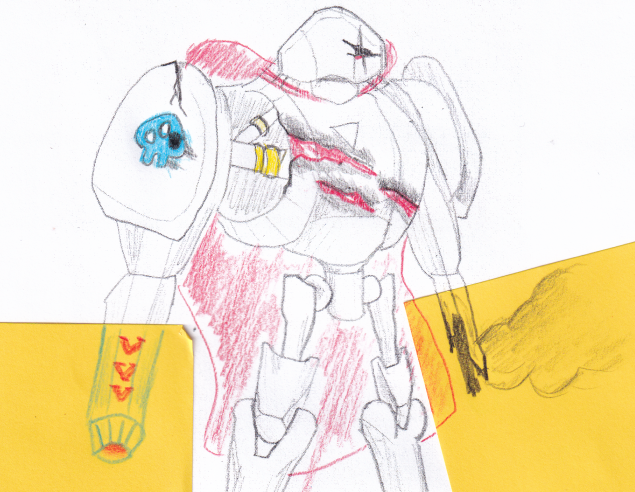
Image: Illustration of a robot with battle damage drawn on in pencil. Post-its are used to represent modifications to the robot's limbs. |
A solo drawing game, Sonata in Zero G explores the ways bodies are changed, broken down and rebuilt through the lens of mech anime. Over the course of this post-card-sized game, the player is asked to redraw their mech to reflect trauma, disability, and instrumentalization by their superiors. The mechanized body keeps the score. |
|
More of my tabletop games can be found at w.itch.io. |
|